Insulation services play a crucial role in maintaining comfortable indoor environments, improving energy efficiency, and protecting residential and commercial properties from temperature fluctuations and moisture-related damage. Proper insulation helps regulate indoor temperatures throughout the year by reducing heat transfer between indoor and outdoor spaces. Whether installed in attics, walls, crawl spaces, basements, or commercial buildings, insulation contributes significantly to lower utility costs, improved air quality, and long-term structural protection.
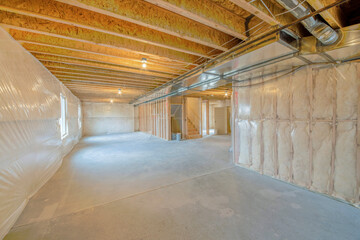
As energy efficiency becomes increasingly important for homeowners and businesses, professional insulation services continue gaining demand across new construction projects and existing property upgrades. Modern insulation materials and installation methods provide enhanced thermal performance while helping reduce environmental impact and energy consumption. Properly installed insulation can also improve indoor comfort by minimizing drafts, controlling humidity levels, and reducing noise transmission between rooms and exterior environments.
Professional insulation contractors evaluate building structures, ventilation systems, and energy performance to recommend solutions that maximize efficiency and long-term value. From spray foam insulation and fiberglass installation to attic upgrades and air sealing, insulation services help create healthier and more energy-efficient indoor spaces.
The Importance of Professional Insulation Services
Insulation acts as a protective barrier that slows the movement of heat, helping buildings maintain stable indoor temperatures regardless of outdoor weather conditions. Without sufficient insulation, heated or cooled air can escape through walls, ceilings, floors, and attic spaces, causing heating and cooling systems to work harder and consume more energy.
Professional insulation services help property owners reduce energy waste while improving indoor comfort. Proper insulation prevents excessive heat gain during warm weather and minimizes heat loss during colder conditions. This balanced temperature control helps create more consistent indoor environments while lowering monthly utility expenses.
Inadequate insulation can also contribute to moisture problems, condensation buildup, and poor indoor air quality. Moisture intrusion may lead to mold growth, structural deterioration, and damage to building materials if not addressed properly. Professional insulation installation helps reduce these risks by improving thermal protection and ventilation performance.
Several important benefits make insulation services highly valuable for residential and commercial properties:
- Improved energy efficiency and reduced utility costs
- Enhanced indoor comfort throughout all seasons
- Better moisture control and mold prevention
- Reduced strain on heating and cooling systems
- Increased property value and long-term durability
Effective insulation systems contribute directly to healthier living conditions and more sustainable energy usage.
Common Types of Insulation Materials
Professional insulation services involve various materials designed to meet different building requirements, energy goals, and installation conditions. Each insulation type offers unique advantages related to thermal resistance, moisture protection, sound reduction, and cost-effectiveness.
Fiberglass insulation remains one of the most commonly used insulation materials because of its affordability, fire resistance, and reliable thermal performance. It is typically installed in walls, attics, and ceilings using batts or loose-fill applications.
Spray foam insulation has become increasingly popular due to its superior air-sealing capabilities and high energy efficiency. This material expands after application, filling gaps and cracks that may allow air leakage. Spray foam insulation is especially effective for hard-to-reach areas and irregular building spaces.
Cellulose insulation is another widely used option made primarily from recycled paper materials treated for fire resistance. It provides strong thermal performance while offering environmentally friendly benefits.
Several common insulation materials include:
- Fiberglass insulation
- Spray foam insulation
- Cellulose insulation
- Rigid foam board insulation
- Mineral wool and reflective insulation systems
The best insulation material often depends on building design, climate conditions, budget considerations, and energy efficiency goals.
Attic Insulation and Energy Savings
Attic insulation is one of the most important aspects of a building’s overall energy performance because heat naturally rises and can easily escape through poorly insulated attic spaces. Inadequate attic insulation often leads to higher heating and cooling costs, uneven indoor temperatures, and increased stress on HVAC systems.
Professional attic insulation services help reduce energy loss while improving indoor comfort year-round. Proper attic insulation prevents conditioned air from escaping and minimizes the impact of outdoor temperatures on interior spaces.
Attic insulation can also help reduce moisture accumulation and condensation problems that may damage roofing materials, insulation layers, and structural components over time. Proper ventilation combined with quality insulation helps maintain balanced airflow and humidity levels throughout the attic area.
Several major benefits of attic insulation include:
- Lower heating and cooling expenses
- Improved indoor temperature consistency
- Reduced HVAC system workload
- Better moisture and humidity control
- Enhanced overall home energy efficiency
Property owners often notice immediate improvements in comfort and energy savings after upgrading attic insulation systems.
Wall and Crawl Space Insulation
Wall insulation plays a major role in regulating indoor temperatures and reducing energy transfer throughout the building envelope. Exterior walls are constantly exposed to outdoor temperature changes, making proper insulation essential for maintaining stable indoor conditions.
Professional wall insulation services may involve installing insulation within existing wall cavities or adding insulation during renovation and construction projects. Proper wall insulation helps reduce drafts, improve soundproofing, and increase energy efficiency throughout the property.
Crawl space insulation is equally important because poorly insulated crawl spaces can contribute to cold floors, moisture problems, and air quality concerns. Moisture entering crawl spaces may lead to mold growth, wood rot, and pest infestations if left untreated.
Insulating crawl spaces helps improve indoor comfort while protecting the structural integrity of the property. Encapsulation systems and vapor barriers are often combined with insulation upgrades to improve moisture management and energy performance.
Soundproofing and Indoor Comfort
In addition to thermal regulation, insulation services can improve indoor comfort by reducing noise transmission between rooms and exterior environments. Soundproofing insulation is especially valuable in multi-family housing, office spaces, commercial buildings, and homes located near busy roads or noisy environments.
Insulation materials absorb sound vibrations and reduce the transfer of airborne noise through walls, ceilings, and floors. This creates quieter indoor environments that support concentration, privacy, and relaxation.
Several areas commonly benefit from soundproofing insulation:
- Interior walls between rooms
- Ceilings and floor systems
- Home offices and entertainment rooms
- Apartment and condominium units
- Commercial offices and meeting spaces
Improved sound control enhances both residential comfort and workplace productivity while contributing to overall property value.
Insulation and Environmental Sustainability
Energy-efficient insulation systems contribute to environmental sustainability by reducing overall energy consumption and lowering greenhouse gas emissions. Buildings with proper insulation require less heating and cooling, which decreases dependence on energy-intensive HVAC systems.
Many modern insulation materials are also manufactured using recycled or environmentally friendly components. Sustainable insulation options help property owners reduce environmental impact while supporting energy conservation goals.
Energy-efficient buildings often qualify for utility incentives, rebates, or energy performance certifications depending on local regulations and efficiency standards. Improved insulation can also support broader sustainability initiatives focused on reducing energy waste and promoting responsible building practices.
Several environmental benefits of insulation services include:
- Reduced energy consumption
- Lower carbon emissions
- Improved HVAC efficiency
- Decreased environmental impact
- Support for sustainable building practices
As energy costs continue rising, insulation upgrades remain one of the most cost-effective ways to improve efficiency and reduce long-term operational expenses.
Choosing Professional Insulation Services
Hiring experienced insulation contractors is essential for achieving proper installation, maximum efficiency, and long-term performance. Poorly installed insulation can lead to gaps, compression, moisture issues, and reduced thermal effectiveness.
Professional insulation providers evaluate building conditions carefully before recommending specific materials and installation methods. They also understand ventilation requirements, air sealing techniques, and moisture management strategies necessary for maintaining balanced indoor environments.
Property owners should consider several important factors when selecting insulation services:
- Experience and installation expertise
- Knowledge of insulation materials and energy efficiency
- Licensing, certifications, and insurance coverage
- Inspection and energy assessment capabilities
- Customer reviews and warranty options
Professional insulation services provide lasting value by improving indoor comfort, reducing utility costs, and protecting building structures from environmental stress. Through proper material selection, expert installation, and ongoing energy efficiency improvements, insulation services help create healthier, quieter, and more sustainable living and working environments for years to come.